Author: digikore

  • How AI Is Transforming Jingle Creation for Indian Brands

    How AI Is Transforming Jingle Creation for Indian Brands

    Indian advertising has always had a close relationship with sound. Long before digital screens took over, people remembered brands because of what they heard. A few seconds on the radio, a catchy line on television, a tune hummed unconsciously at home. Sound travelled faster than visuals, and it stayed longer in memory.

    What has changed today is not the importance of sound, but the way it is imagined, shaped, and delivered. Jingle creation in India is moving through a quiet but powerful shift. Not a flashy revolution, not a replacement of creativity, but a deeper evolution in how brands approach music, identity, and recall. This shift is reshaping how Indian companies Customise Brand Jingle strategies that feel personal, flexible, and culturally aware at scale.

    For decades, jingles were built on instinct, experience, and a handful of trusted composers. That instinct still matters. But now, something else supports it. Patterns, listening behaviour, regional taste signals, tempo preferences, and emotional triggers are being understood with a clarity that was impossible earlier. This has changed the conversation from “what sounds good” to “what sounds right for this brand, this audience, this moment.”

    From gut feeling to informed musical decisions

    Indian brands operate in one of the most diverse markets in the world. A tune that works in Mumbai may fall flat in Coimbatore. What connects with a Gen Z audience in Bengaluru might feel dated to a family audience in Indore. Earlier, jingle creation relied on educated guesses. Talented ones, yes, but still guesses.

    Today, sound decisions are informed by listening data, platform behaviour, regional consumption patterns, and historical performance of audio-led campaigns. This does not kill creativity. It sharpens it.

    When brands set out to create a Brand Jingle, they are no longer starting from a blank slate. They start with insight. Tempo ranges that hold attention longer. Vocal styles that feel trustworthy in certain regions. Instrumentation that triggers familiarity without sounding recycled. This allows composers to focus their creative energy where it matters instead of shooting in the dark.

    Personalisation at scale without losing soul

    One of the most visible shifts is how brands now approach personalisation. Earlier, a single jingle had to serve everyone. One language. One mood. One version. That was the limit of feasibility.

    Now, brands can adapt a core Brand Song into multiple regional, linguistic, and emotional versions without losing its identity. The melody remains familiar, but the expression changes. A softer version for late-night digital ads. A higher-energy cut for festival campaigns. A local-language lyric that feels native instead of translated.

    This is where Sonic Branding starts behaving like a living system rather than a static asset. The sound grows with the brand. It responds to context. It evolves without losing recognition.

    Indian audiences are extremely sensitive to authenticity. They know when something feels forced. Personalised sound, when done well, feels respectful. It tells the listener that the brand understands where they come from.

    Speed, experimentation, and creative confidence

    Another quiet transformation is speed. Not speed for the sake of rushing, but speed that allows exploration.

    Earlier, experimenting with five jingle directions meant five separate production cycles. Time, money, coordination. Naturally, brands played safe. One idea, polished endlessly, approved cautiously.

    Now, brands can explore variations early. Different moods. Different hooks. Different vocal textures. This does not replace musicians or composers. It gives them space to test intuition faster.

    This freedom leads to braver sound decisions. And bravery is essential for strong Sound Branding. The most memorable audio identities in India were never the safest ones. They stood out because someone trusted their instinct. Faster experimentation simply helps that instinct get validated sooner.
    Customise Brand Jingle

    Rethinking brand recall in a noisy economy

    Indian consumers are exposed to thousands of brand messages daily. Visual clutter is everywhere. Sound, however, still cuts through differently. It reaches people while they are cooking, driving, scrolling, or resting their eyes.

    A well-crafted jingle builds Brand Recall in ways visuals struggle to match. But recall today is not just about repetition. It is about emotional alignment. Does the sound feel familiar without being boring? Does it signal trust without sounding old? Does it feel modern without chasing trends?

    Modern jingle creation allows brands to answer these questions with more confidence. Sound choices are tested not only for memorability but also for emotional resonance. That is why many Indian brands now treat audio as a long-term asset rather than a campaign-level add-on.

    Where commerce meets culture

    In India, advertising is never just commercial. It is cultural. A jingle does not live only in ads. It spills into conversations, parodies, wedding playlists, social reels, and street-level humour.

    This cultural afterlife matters. Brands that understand this create sound that invites participation rather than just attention. When brands Customise Brand Jingle frameworks with cultural sensitivity, the results travel further than paid media ever could.

    This is also why Advertising For Brand through sound is seeing renewed interest. Audio-first campaigns are not treated as supporting material anymore. They are often the starting point of storytelling.

    The sales impact nobody talks about openly

    There is a quiet truth many marketers know but rarely articulate clearly. Sound sells. Not aggressively. Not instantly. But persistently.

    A recognisable jingle shortens decision time. It reduces doubt. It creates familiarity before logic kicks in. Over time, this translates into something every brand chases but struggles to measure cleanly: trust-led conversion.

    Brands that invest seriously in sonic identity often see compounding returns. Repeat purchases feel easier. New launches borrow trust from existing sound memory. This is where the idea of 10X Brand Sale with a Brand Jingle stops sounding like hype and starts sounding like a long-term business effect.

    Not because the jingle itself forces a sale, but because it removes friction from the buying decision.

    And this is exactly where the right creative partner matters. When a brand’s sound is crafted with strategy, not just melody, it becomes an asset that works quietly across campaigns, platforms, and years. Digikore Studios focuses on building that kind of sonic memory, helping brands shape jingles that don’t just sound good, but sell aggressively.

    Human creativity remains at the centre

    Despite all these shifts, one thing remains unchanged. Sound is emotional. Music connects because it is human. Technology supports the process, but it does not replace the spark.

    Indian jingle creation still depends on lyricists who understand nuance, composers who feel rhythm intuitively, and brand custodians who know their audience deeply. What has changed is the clarity around decision-making.

    Instead of arguing taste versus taste, teams now discuss relevance, response, and resonance. This leads to better collaboration and fewer compromises that dilute identity.

    Why this moment matters for Indian brands

    Indian brands are expanding faster than ever. Regional brands are becoming national. National brands are becoming global. In this journey, sound becomes a passport. A consistent, adaptable, recognisable signature that travels across platforms and borders.

    Brands that take sonic identity seriously now will not have to rebuild it later. They will already own a space in the listener’s mind. Not loudly. Not forcefully. But comfortably.

    This is the real transformation. Not louder jingles. Not trend-chasing music. But thoughtful sound systems that grow with the brand and stay with the audience.

    And in a country where people still hum ads decades later, that might be the most powerful form of branding there is.


  • How Top Hospitals Get Repeating Patients Through Sonic Branding

    How Top Hospitals Get Repeating Patients Through Sonic Branding

    Hospitals are remembered less by what patients see and more by what they feel. Fear, uncertainty, anticipation, relief. These emotions settle into memory long before architectural details or medical credentials ever do. And one of the most underestimated forces shaping those emotions is sound.

    Not the loud, intrusive kind. Not alarms or announcements. But intentional sound. Carefully chosen tones, rhythms, and musical cues that quietly guide how a patient experiences a space. In recent years, hospitals around the world have begun to understand something advertisers figured out decades ago. Sound bypasses logic and goes straight to emotion. It calms, reassures, and most importantly, it stays.

    This is where healthcare intersects with the same principles that power Brand Jingles, Advertising Jingles, and the best brand jingles remembered decades later. The goals are different, but the psychology is strikingly similar.

    Why fear in hospitals is often a sensory problem

    Most people do not walk into hospitals neutral. Even routine visits carry a low hum of anxiety. Sterile smells, unfamiliar equipment, echoing hallways, the sound of hurried footsteps. All of it signals vulnerability.

    Visual design gets a lot of attention, but sound is the sense that patients cannot shut off. You can look away from a monitor. You cannot stop hearing the space around you. When sound is chaotic or emotionally cold, fear amplifies. When sound feels intentional and human, fear softens.

    Hospitals that address this are not trying to entertain patients. They are trying to regulate emotional temperature. A calm nervous system processes information better, retains instructions longer, and associates the experience with safety rather than stress.

    That is not an abstract theory. It is the same reason a familiar tune can make someone feel at home instantly, even after years. Sound builds emotional shortcuts in the brain.

    The science behind why sound stays with us

    Memory is deeply tied to emotion. Neuroscience has shown that auditory cues are processed in regions of the brain closely linked to emotional recall. That is why a short melody can trigger memories more vividly than a long explanation ever could.

    Hospitals have begun to leverage this by creating consistent sound environments. Not random background music, but curated audio identities. Gentle tonal patterns in waiting areas. Soft transitional sounds when moving between departments. Even specific melodies associated with pediatric wards or maternity units.

    This mirrors how brand Jingles for businesses work. A few seconds of sound create recognition and trust without needing explanation. In healthcare, the outcome is not brand recall for sales. It is an emotional recall for reassurance.

    Patients may not consciously remember the tune, but they remember how they felt when they heard it. Calm. Held. Less alone.

    Sound as reassurance rather than a distraction

    There is a critical distinction hospitals have learned the hard way. Sound should never distract. It should reassure.

    When sound is treated as decoration, it fails. When it is treated as emotional infrastructure, it succeeds. Effective hospital sound design respects silence, timing, and context. It understands that fear often spikes during transitions. Waiting for test results. Being wheeled into a procedure room. Sitting alone after visiting hours.

    Strategic sound cues during these moments act like emotional anchors. They signal continuity in an environment that otherwise feels unpredictable.

    This is remarkably similar to how Indian Brand Jingles evolved in regional markets. The most successful ones did not shout. They soothed. They used familiar tonal structures, cultural rhythms, and comforting repetition. Hospitals using sound successfully follow the same logic. Familiarity reduces threat perception.

    Sonic Branding

    Increasing recall without overwhelming patients

    Hospitals constantly struggle with recall. Patients forget instructions. They miss follow-up steps. They misunderstand care plans. Fear plays a huge role in this. Anxiety narrows attention and fragments memory.

    Sound helps widen that focus again.

    Some hospitals now pair gentle auditory cues with important moments of information delivery. Discharge instructions, post-operative guidance, or even simple reminders about hydration or medication timing. The sound does not explain the message. It frames it emotionally so the brain tags it as important and safe to remember.

    This is exactly how Advertising Jingles embed product recall without effort. The melody becomes the memory hook. In healthcare, the hook supports compliance, safety, and better outcomes.

    When sound is consistent across touchpoints, patients subconsciously associate clarity with care. They are more likely to remember what they were told because their nervous system was not in defense mode when they heard it.

    Building a hospital’s auditory identity

    Hospitals rarely think of themselves as brands, but patients experience them as one. Every interaction contributes to trust or mistrust. Sound plays a surprisingly large role in shaping that perception.

    Some forward-thinking institutions now develop an auditory identity just as carefully as a visual one. This does not mean turning hospitals into commercials. It means deciding what emotional tone the hospital stands for and expressing it through sound.

    Warmth. Stability. Compassion. Precision without coldness.

    This is not very different from brands that customise your brand’s melody to reflect values. In healthcare, the melody must be subtle enough to respect seriousness, yet human enough to counter fear.

    When patients encounter the same sound language across departments, visits, and even digital platforms like appointment reminders, the hospital becomes emotionally coherent. That coherence builds trust faster than slogans ever could.

    Pediatric care and the power of familiar sound

    Children respond to sound more instinctively than adults. Pediatric hospitals have been pioneers in using sound intentionally. Soft melodies in corridors. Gentle musical cues during procedures. Familiar tonal patterns repeated across visits.

    The effect is profound. Children show reduced distress. Parents feel calmer. Staff report smoother interactions.

    What works here is not complexity. It is repetition and predictability. The same qualities that define the best brand jingles in consumer spaces. Familiar sound creates a sense of safety even when the environment is unfamiliar.

    Adults are no different. They just mask their fear better.

    Cultural sensitivity matters more than people think

    Sound is cultural. What soothes one population can irritate another. Hospitals serving diverse communities are learning that imported sound strategies often fail.

    This is where insights from Indian Brand Jingles become especially relevant. Their success lies in understanding local emotional language. Scales, rhythms, and pacing that feel native rather than imposed.

    Hospitals that tailor sound to their patient demographics see stronger emotional alignment. Patients feel understood without anyone saying a word. That feeling lingers long after discharge.

    Sound that respects culture reduces emotional friction. And lower friction always improves recall.

    Sound as a quiet trust builder

    Hospitals do not need louder messaging. They need gentler signals of care.

    When sound is intentional, it communicates something deeply human. You are safe here. You are not alone. We are paying attention to how this feels, not just what needs to be done.

    This is the same trust mechanism that makes Brand Jingles so powerful when done right. They do not convince. They reassure.

    Healthcare environments that embrace sound as part of care design are not being trendy. They are responding to how humans actually experience fear, memory, and trust.

    Patients may never comment on the soundscape. They may never consciously notice it. But they will remember how the hospital made them feel. And in healthcare, that memory shapes everything that follows.

    Digikore Studios has worked across sectors to build recognisable sound identities, helping more than 5,000 brands develop recall through carefully structured Brand Jingles that respect emotional context rather than overpower it.

  • Doordarshan Era Jingles vs the Instagram Age of Sound Branding

    Doordarshan Era Jingles vs the Instagram Age of Sound Branding

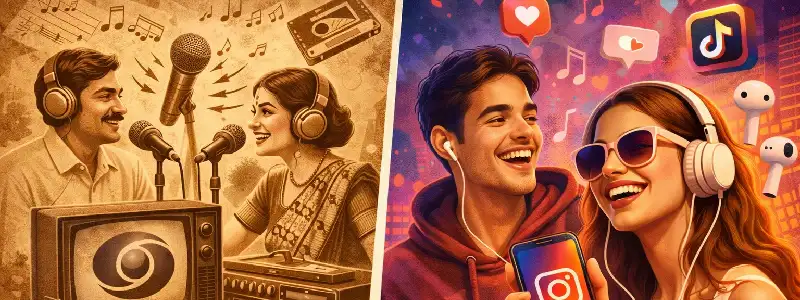
    There was a time when a brand’s sound did not try to impress anyone. It did not announce itself. It arrived through a television set that everyone in the room was already facing. There was nothing else competing for attention. No second screen. No scrolling thumb. Just sound entering a shared space and repeating itself until it stops feeling new.

    That is how many Indians first learned what sound branding actually does or how it works. Not through strategy decks or brand manuals, but through real, raw experience. We used to not just analyse but absorb these jingles and relate to them. Years later, the memory still lives somewhere unguarded. A few notes play in surround, and we recognise them even before thinking about that brand.

    That contrast becomes unavoidable today, when most brand sounds vanish almost as soon as they appear.

    This is not about nostalgia. It is about understanding what changed, and what quietly broke along the way.

    When Sound Was Built to Stay

    In the Doordarshan era, brands behaved as if time were available in abundance.

    They chose one sound and stayed with it. Not because it was perfect, but because consistency itself was the strategy. The sound did not evolve every quarter. It was not refreshed for novelty. It repeated, patiently, until familiarity replaced effort.

    This worked because human memory does not respond to cleverness. It responds to stability. What repeats without demanding attention gets stored. What stays the same becomes trustworthy. Those jingles were not memorable because they were dramatic. They were memorable because they were predictable.

    No dashboards were tracking the recall. No metrics validating long-term memory. Decisions were guided by observation. By instinct. By the understanding that repetition was not boring for the audience, only for the creator.

    Over time, the sound crossed an invisible threshold. It stopped feeling like advertising and started feeling like identity. The brand no longer needed explanation. The sound was enough.

    The Moment Sound Became Content

    That balance shifted when media stopped being shared and started being personalised.

    The Instagram age introduced a new listening environment. Sound is now encountered mid-scroll, half-muted, layered with other audio, often disposable by design. It has seconds to work, or it is replaced.

    In this environment, brands no longer assume time. They assume resistance.

    So sound adapts. It becomes shorter. Faster. Borrowed from whatever is already trending. The objective shifts from building brand recall to winning attention in the moment.

    This is not a lack of creativity. It is a response to pressure.

    But pressure changes behaviour.

    When sound is treated as content, it inherits content’s lifespan. It performs, peaks, and disappears. The mind does not invest in remembering it because experience has taught it not to.

    The result is visibility without memory. Plenty of reach. Very little recognition.

    sound branding

    Being Heard Is Not the Same as Being Remembered

    Modern branding measures what can be seen.

    Views. Plays. Engagement.

    Memory does not show up on dashboards. It appears later, in preference, trust, and familiarity. By then, it is difficult to trace.

    In the Doordarshan era, sound was designed for accumulation. Each repetition added weight. Over time, the sound carried meaning without explanation.

    Today, sound is designed for momentum. Momentum looks impressive. Memory looks quiet.

    Most brands choose momentum because it offers immediate proof.

    But momentum fades. Memory compounds.

    That difference defines what lasts.

    From Shared Culture to Fragmented Attention

    Earlier, sound existed inside a shared cultural rhythm. One jingle could speak to millions of homes at once. Listening conditions were similar. Context was common.

    Today, sound moves through fragmented spaces. Feeds are personalised. Audiences split into niches. What works in one context feels irrelevant in another. Consistency feels risky. Adaptation feels safer.

    So brands keep changing their sound, hoping relevance will replace recognition.

    Often, it does not.

    What emerges is abundance without ownership. Sound everywhere, but nothing that feels unmistakably tied to one brand. The brand jingle disappears before it can settle.

    What the Brain Still Responds To

    The past does not offer templates. It offers principles.

    The human brain has not changed its preferences. It still remembers what repeats. It still trusts what feels familiar. It still recognises what remains stable.

    A strong sound identity does not need to be loud. It needs to be consistent. It needs to belong to only one brand. When it plays, it should answer a simple question without effort.

    Who is this?

    Not what is trending. Not what is new.

    Designing Sound as Infrastructure

    Treating sound seriously requires restraint.

    It means resisting constant reinvention. It means repeating what works even when repetition feels uncomfortable internally. It means designing sound not as a campaign asset, but as infrastructure.

    This does not require long compositions or nostalgic callbacks. Sometimes it is a short cue. Sometimes a specific rhythm. Sometimes, a tone that stays unchanged even as visuals evolve.

    Formats can adapt. Identity should not.

    Brands that approach sonic branding this way rarely see instant spikes. What they see instead is familiarity growing quietly. The sound starts needing less explanation. It feels known. Expected. Trusted.

    Why Memory Is Still the Advantage

    Attention can be rented. Memory has to be earned. Platforms will change. Algorithms will shift. Formats will be replaced.

    But a sound that people recognise without effort continues to work wherever it appears. It carries meaning without demanding space. The Doordarshan era reminds us of something easy to overlook. Brands do not live on platforms. They live in people.

    The real decision for brands today is not whether sound matters. It is whether they are designing sound to pass by or to stay. That choice does not show results immediately. But over time, it determines what remains familiar and what quietly disappears.

  • Netflix’s Ta-Dum: You didn’t just read it, you heard it

    Netflix’s Ta-Dum: You didn’t just read it, you heard it

    This article explores why Netflix’s short opening sound matters more than it seems. It looks at how a few seconds of audio can shape memory, trust, and habit, and what that teaches us about sound, identity, and attention in modern branding.

    How Netflix’s ‘Ta-Dum’ Became One of the Most Recognisable Brand Jingles 

    When Netflix starts, there is a sound before anything else really happens. Two beats. A brief pause. Then the screen fills. Most people do not think about it. They do not analyse it. Yet almost everyone recognises it instantly. That is the power of Netflix’s Ta-Dum.

    It is not a song. It is not a melody you hum. Furthermore, it lasts barely a second. Still, it works as a brand jingle in the truest sense. It signals arrival. It sets an expectation. Not only that, but it also prepares the brain for what comes next.

    What makes this interesting is not just that it is memorable. It is how quietly it has become part of everyday life.

    Why do we remember sounds faster than visuals?

    Humans process sound differently from visuals. A logo asks you to look. A sound asks you to listen, even when you are not trying to. That difference matters.

    Think about how often Netflix is opened while someone is distracted. A phone in one hand, food in the other, a conversation in the room. The screen may not have full attention yet. The sound still lands.

    The Ta-Dum works because it does not demand focus. It slips in. The brain registers it automatically. Over time, repetition builds familiarity, and familiarity builds comfort.

    This is why jingles of brands have lasted for decades, even as visual styles change. Sound cuts through noise, both literal and mental.

    Ta-Dum is not entertainment. It is a signal.

    Many people assume jingles are meant to entertain. That assumption often leads brands to overdo them. Songs become long. Lyrics try too hard. The message gets lost.

    Netflix did the opposite.

    The Ta-Dum does not tell a story. It does not explain anything. It simply says one thing clearly. You are here now.

    That clarity is why it works. It is closer to a door closing behind you than a song playing for you. Once you hear it, you are inside the Netflix world.

    Among brands with jingles, this restraint is rare. Most want to say more. Netflix chose to say less.

    brand jingle

    How the sound fits the product experience

    Good branding does not exist separately from the product. It supports it. Netflix is about immersion. About stepping into another world quickly.

    The Ta-Dum mirrors that promise. It is confident. It is clean. Likewise, it does not rush. It does not linger, either.

    There is also something neutral about it. It does not push emotion too hard. It works whether you are about to watch a comedy, a thriller, or a documentary. The sound does not tell you how to feel. It tells you to begin.

    That neutrality is intentional. It allows the content to lead.

    A simple real-world comparison

    Think of a theatre. Not the performance, but the moment just before it starts. The lights dim. The room quiets. There is a brief pause.

    That moment is not entertaining by itself. It is functional. It prepares everyone to pay attention.

    Netflix’s Ta-Dum does the same thing. It is not the show. It is the transition into the show.

    This is where many popular brand jingles fail. They try to be the main act. Netflix understood the value of being the cue.

    Consistency builds trust, not novelty

    Netflix has not changed this sound every year. It has not refreshed it for trends. That decision matters more than it seems.

    Consistency tells users that the product is stable. That the experience will be familiar even if the content changes.

    Over time, the Ta-Dum has become a promise. When people hear it, they expect a certain level of quality, ease, and control. That expectation is built through repetition, not explanation.

    This is how famous slogans and jingles earn their place. Not by being clever once, but by being dependable over time.

    Why silence around the sound matters

    Another reason the Ta-Dum works is what surrounds it. Silence.

    There is no voiceover explaining Netflix. No tagline spoken aloud. No competing noise.

    That restraint gives the sound room to breathe. It lands cleanly. The brain has nothing else to process at that moment.

    In a world full of constant audio clutter, this choice stands out. It respects the listener’s attention.

    What this teaches brands beyond entertainment

    Netflix is a media company, but the lesson here applies far beyond streaming.

    Sound branding works best when it understands context. When it comes to time. When it aligns with how people actually use the product.

    A sound does not need to be catchy to be effective. It needs to be appropriate.

    Many brands chase recall through volume or repetition alone. Netflix achieved recall through relevance.

    That is why it’s Ta-Dum feels natural, not forced.

    A second everyday example

    Consider how you unlock your phone. The subtle click or vibration confirms the action. It is not exciting. It is reassuring.

    If that feedback changed every week, it would feel unstable. If it were louder, it would be annoying.

    Netflix’s sound operates in the same space. It reassures without distracting. This is the quiet strength behind the most effective brand jingle designs.

    You heard it before you thought about it

    The most interesting thing about the Ta-Dum is that many people do not realise how attached they are to it until it is missing.

    Play a Netflix show without the sound, and something feels off. The experience starts too abruptly. The transition is incomplete.

    That reaction proves the point. The sound has done its job so well that it has become invisible.

    You did not just read about it. You heard it in your head while reading this.

    That is not an accident. That is thoughtful design grounded in how people actually experience media.

  • How Emotional Audio Branding Helped These Brands Double Their Sales

    How Emotional Audio Branding Helped These Brands Double Their Sales

    How Sound Enters Before Logic

    There is a moment, usually unannounced, when a tune slips into your head and refuses to leave. You are not trying to remember it. It just arrives and gets stuck in your mind. Confidently.

    That is where branding actually begins, in our mind. Not on billboards, screens, or newspapers. It attacks the memory first. In feeling.

    At Digikore Studios, we see Brand Jingles not as marketing tools but as emotional pain points. They settle somewhere deeper in our brains, the place where trust lives. The place where habits are generally born.

    This is not just a theory. This has been experienced. We have researched it for many years. 

    The Emotions Behind Branding

    Branding works best when it stops selling and starts relating. People do not fall in love with products; they fall in love with how those products can make their lives interesting, easy, and sorted.

    That is why Indian Ads that are rarely loud, they work on emotions. They are familiar with what their customer is greedy about. 

    Then you enter the Jingle branding era. And your jingle becomes the voice of the brand, while it understands the routine that your brand or product can change in people’s lives. Morning chai. A tired cough at night. A shy smile before a first date. These are not campaigns. These are moments that brands have captured. 

    Sound, especially sonic branding, wraps itself around these moments. And once inside, it stays forever. 

    Amul: Health, Habit, and the Comfort of Repetition

    The Amul Jingle. It is slow, emotional, and health-driven. When people of India were very conscious about their health, Amul played its cards correctly. 

    Milk in India is not aspirational. It is used for everything; it’s essential. Amul determined and understood this and started working on it early. Their nostalgic tunes mirror the rhythm of daily life. Breakfast tables. Cheering glasses.  Children are growing taller almost overnight.

    You do not need to see the logo to know it is Amul. The tune does the work for it. It signals nourishment, health, and reliability. People thought Amul was solving the nutrition problem for them; it worked, only through a simple jingle.

    That is trust built over decades, not through innovation but through a single emotional trigger.

    Vicks: This Is How Care Sounds!

    Vicks enters the house when someone is unwell. Which means it enters moments of vulnerability.

    The audio branding reflects the same thoughts. Vicks takes the responsibility and assures that you or your loved one can get a comfortable sleep, even with a cold, runny nose. A sense of assurance taken by parents when the child is unwell.

    The jingle does not dramatize illness. It normalizes it. Says, you will be okay. You have been here before. We know what to do.

    That is why the brand feels less like a product and more like a remedy passed down through generations. The sound carries memory. Add-on to the visuals of late nights. Warm hands on foreheads. That is emotional equity, no visual can replace.

    Cadbury: Romance, Rewritten Every Valentine’s Day

    Cadbury does something interesting around Valentine’s Day. It does not invent romance. It observes.

    The newer campaigns lean into awkward silences. Missed chances. The sweetness of effort, not perfection. The Cadbury tune has evolved, but the emotion stays rooted.

    Chocolate here is not an indulgence. It is an expression.

    When the jingle plays, it does not sell cocoa. It sells courage. The courage to say something. To feel something. To risk being seen.

    That is why it works. People hear themselves in it.


    Emotional Audio Branding


    Close Up: Hygiene as Personality

    Close Up took a brave turn early on. It linked hygiene with confidence. With personality. With intimacy.

    The jingle carried freshness, yes. But also boldness. A little rebellion. It spoke to young India, not as students or consumers, but as individuals discovering who they are.

    Sound here became identity. The voice of brands shaped how people saw themselves.

    You did not just use Close Up. You became someone who used Close Up.

    That distinction matters.

    Why Jingles Trigger So Deeply

    A jingle works because it mirrors what people are already feeling. It does not introduce emotion. It recognizes it.

    When people hear a familiar Airtel tune or the Red Label tea tune, they feel seen. Not targeted. Seen.

    There is trust in that recognition. Sound feels honest because it cannot hide behind visuals. You either feel it, or you do not.

    And because jingles can be imagined without visuals, they give power back to the listener. Everyone pictures something slightly different. Their own kitchen. Their own memory. Their own story.

    That personalization is priceless.

    Familiar Over Fancy: The Strategy That Lasts

    The best Brand Jingles are rarely complex. They are simple enough to remember, strong enough to endure.

    Familiarity beats novelty every time.

    Trendy sounds age quickly. Emotional sounds age slowly.

    An evergreen jingle feels like it could have existed ten years ago and will still make sense ten years from now. That is how sonic branding becomes legacy.

    It is not about being catchy. It is about being true.

    Jingle vs Logo: Knowing the Difference

    A logo tells you who the brand is.

    A jingle tells you why it matters.

    You recognize a logo. You feel a jingle.

    The difference is subtle but powerful. A jingle carries narrative. Even in five seconds. Even without words.

    The tune becomes personal. Almost confidential. Something you hum without realizing. Something that shows up when you least expect it.

    That is storytelling without explanation.

    Choosing the Right Emotion

    Every brand has an emotional center. The mistake is trying to trigger everything at once.

    Some brands need a fun jingle. Light. Playful. Inviting.

    Some need seriousness. Authority. Assurance.

    Some need to break stereotypes. Question norms. Redefine beauty standards or social roles.

    The sound must match the intention. Otherwise, it feels borrowed. And people can tell.

    At Digikore Studios, we start with one question. What should someone feel when they hear you, even with their eyes closed?

    Everything follows from there.

    The Quiet Power of Sonic Branding

    Sound stays when visuals fade.

    That is the quiet truth behind Indian Ads that last generations. They do not chase attention. They earn memory.

    From the Amul Jingle to the Airtel tune, from Cadbury’s romantic cues to Red Label’s reflective warmth, these brands doubled more than sales. They doubled belonging.

    They became part of daily life.

    Closing Note from Digikore Studios

    A Brand Jingle is not background music. It is emotional architecture.

    When done right, it does not interrupt. It accompanies.

    If you are building a brand and wondering how to be remembered, do not ask how loud you should be. Ask how human you should sound.

    Because people may forget what they saw.

    But they will always remember what they felt.

    And sound carries feeling better than anything else.

    Digikore Studios, Crafting the sound your brand will be remembered by.

  • What Is a Corporate Jingle and Why Every Brand Needs One

    What Is a Corporate Jingle and Why Every Brand Needs One

    If you think about the brands you have known for years, you will notice one thing. It is not always the logo or visual design that comes to mind first. Often, it is a short tune that plays in your head without effort. This is the silent power of corporate jingles, and it is a tool every brand should consider if they want to stay memorable in a fast-moving world.

    A jingle is more than a melody. It is a small, strategic piece of audio identity that helps customers recall your brand instantly. While visuals are important, sound creates an emotional trigger. It connects faster, stays longer, and influences decisions more deeply. This is why brands around the world invest time in creating a strong audio signature.

    Why a Jingle Works Better Than You Think

    A brand needs recognition. It needs a connection. It needs consistency. A jingle supports all three in a single moment. When people hear the tune, they connect it with your name, your values, and the promise you make to your audience. The tune becomes a signal that the brand has arrived in their minds.

    Sound travels differently from visuals. It reaches people when they are not looking at a screen. It works when they are cooking, driving, cleaning, or walking. This reach helps brands remain present without being intrusive. Because of this, corporate jingles carry both marketing power and emotional influence.

    There is also a psychological angle. Human memory processes sound more quickly than complex visuals. A simple rhythm or hook becomes a memory loop. Listeners may not analyse it, but they feel its familiarity instantly. This familiarity builds trust and makes customers more comfortable with your products or services.

    How Jingles Shape Brand Identity

    Every brand has a personality. Some want to sound energetic, while others aim for calm or premium. A well-crafted jingle captures this personality in seconds. It is like a musical logo. The tune expresses who you are without using words or visuals.

    When a brand appears across television, radio, short-form content, retail spaces, and digital platforms, the jingle ties everything together. It becomes a consistent sound marker that reminds people of the brand, no matter where they hear it. This helps brands stay unified even when their content keeps evolving.

    Many companies study jingles in advertising because they influence how audiences feel during the buying moment. A cheerful tune can make a brand appear friendly. A confident tune can make it appear trustworthy. A soft tune can make it feel emotional and warm. This emotional colour guides how customers react when they encounter your brand.

    The Role of Music in Building Recall

    Music has always been used to communicate emotions. A jingle uses this strength with a focused intention. It compresses your brand message into a melody that is easy to remember and easy to repeat. This makes it powerful for both marketing and long-term recall.

    Think of moments when you heard a tune and remembered an ad from your childhood. The tune alone brought the entire memory back. This is how jingles operate. They remain in the mind quietly, and when triggered, they bring the brand to attention.

    Brands use this to stay ahead. When customers enter stores or browse products, the familiarity created by the jingle influences their choices. Recognition creates comfort, and comfort supports decisions.

    Learning From Famous Jingles

    Across the world, many top commercial jingles have become cultural moments. These tunes became so iconic that people hummed them without even watching the ads. They worked because they were simple, clear, aligned with the brand, and emotionally engaging.

    Brands that study examples of corporate jingles learn how to use rhythm, tempo, tone, and repetition wisely. A great jingle can be created from a few notes. Length does not matter. Impact does.

    These successful examples show that a memorable tune becomes an asset that lasts for decades. It grows with the company and becomes part of its history.

    Why Every Brand Should Invest in a Jingle

    A brand that wants to stand out needs tools that deliver strong recall. With so much content competing for attention, businesses must create a distinct identity. A jingle supports this in a way that feels natural to consumers.

    Here are the reasons every brand needs a jingle today:

    1. Instant recognition
    A jingle becomes a signature. Customers hear it and know immediately who you are.

    2. Emotional connection
    Music creates feelings. A jingle makes the brand feel friendly, premium or relatable depending on its tone.

    3. Consistency across platforms
    No matter where your brand appears, the jingle brings unity. It works on video content, radio, digital ads, store audio, and events.

    4. Increased memorability
    A tune stays longer in memory than a tagline. When customers need your product, the tune helps them recall your name first.

    5. Strong presence in crowded markets
    When people hear your jingle repeatedly, your brand becomes difficult to forget. This helps you stay ahead of competitors.

    What Makes a Good Jingle

    A great jingle must reflect your brand identity clearly. It should be simple enough for people to remember, yet unique enough to stand apart. The tone must match your brand personality. The melody must be pleasant, and the rhythm must be easy to repeat.

    It also needs the right balance of creativity and strategy. A jingle is not only music. It is a marketing tool. So it should be crafted with purpose.

    Brands that invest in professional audio branding see better results because the jingle becomes perfectly aligned with their target audience and communication style.

    The Future of Audio Branding

    As listening habits grow through podcasts, smart speakers, short videos, and voice-driven devices, audio identity is becoming more valuable. A strong jingle will help brands stay recognizable in sound-first environments.

    Customers today move quickly, and attention spans are shorter, yet sound continues to travel effortlessly. This gives brands a powerful chance to stay close to their audience through music.

    In the coming years, corporate jingles will become even more influential. They will help brands break through digital noise and connect with people in the moments when visuals cannot reach them.

    Final Thoughts

    A jingle is not just a tune. It is a strategic brand asset that influences memory, emotion, and recognition. If you want your brand to stay unforgettable, investing in a strong audio identity is no longer optional. It is a long-lasting decision that supports visibility, trust, and growth.

    Let your brand be heard in a way that stays with people. A jingle can make that happen.

  • The Science Behind Audio Branding: How Sound Shapes Brand Identity

    The Science Behind Audio Branding: How Sound Shapes Brand Identity

    In an environment saturated with graphics, animations, and visual messages, brands often struggle to distinguish themselves. With audiences exposed to an endless stream of imagery, many businesses are discovering that the most memorable impressions are not always created by what people see, but by what they hear. This shift has placed audio branding at the centre of modern brand identity, where tones, melodies, and sonic cues work together to form emotional connections that visual design alone cannot achieve.

    The History Jingles Hold

    Sound affects us in instinctive ways. Thousands of years before structured language or symbols existed, humans depended on auditory signals to understand their surroundings. That evolutionary wiring still influences us today. A familiar tune can transport us to a moment in the past or instantly rekindle a connection with a brand. This is why brands often revive older melodies or incorporate retro musical styles, because the sense of nostalgia helps audiences reconnect effortlessly. The revival of classic jingles during festivals or special milestones also shows how deeply sound embeds itself in collective memory.

    However, audio branding is far more deliberate than simply producing a catchy hook. Every sonic identity is shaped by strategic choices. Teams think carefully about the emotions they want to evoke and the personality they want the brand to project. Should the sound feel energetic, soothing, elegant, or youthful? These considerations influence rhythm, tempo, instrumentation, and even cultural cues. In the Indian context, audio branding becomes especially powerful because locally recognisable scales, rhythms, and regional influences can make a brand feel rooted and familiar. Such elements are the reason Indian jingles often become part of everyday conversation and remain memorable for years.


    The Influence Sound and Jingles Has on Our Mind 


    A major advantage of audio is the way our minds store it. While visual information competes with thousands of images encountered each day, sound travels a more direct path to long-term memory. This is why a tune heard only a few times can remain easily recallable long after. Brands take advantage of this by using simple, repetitive sonic patterns that listeners can identify almost instantly. Short audio cues placed across different touchpoints, such as app notifications, product sounds, or advertising intros, can unify the entire brand experience.

    The influence of sound is not limited to advertising. Modern brands weave audio into multiple aspects of user interaction. Tech companies craft distinctive tones for everyday actions. Retailers curate background music to influence customer mood. Electric vehicle manufacturers even design synthetic engine sounds to give drivers an emotional sense of movement. These subtle sonic details shape expectations, guide behaviour, and colour the overall brand experience.


    What Cultural Identity Jingles can Create and Become Irreplaceable


    Among all forms of sonic expression, the jingle remains one of the most enduring tools. With its blend of rhythm, simplicity, and emotion, a well-crafted jingle can imprint itself in memory for decades. Many iconic Indian jingles from the 90s and early 2000s did not just promote products; they became cultural touchpoints. Their effectiveness lies in their ability to evoke joy, comfort, or nostalgia, turning a product reminder into a memorable emotional moment.

    In the Morden age, Jingles are still one of the most used and worked techniques

    The rise of digital platforms has further strengthened the role of audio branding. Social media spaces built around video, short-form content, and trends rely heavily on sound. A catchy tune can spread rapidly, be reused by content creators, and reach audiences far beyond a brand’s official channels. Despite the shift in technology, the core purpose remains unchanged. The audio must authentically reflect the brand’s personality. Youth-focused brands may lean toward upbeat, electronic sounds, while luxury brands tend to adopt refined, understated tones. What matters most is recognisability.

    Consistency plays a crucial role in building that recognition. When brands repeat the same sonic motifs across ads, physical spaces, digital platforms, and product interfaces, they create familiarity that audiences begin to trust. Even brief sound effects, such as startup tones or message alerts, can reinforce identity when used thoughtfully and consistently.

    Final Thoughts

    As technology evolves, the possibilities for audio branding are expanding. With the rise of smart speakers, voice assistants, immersive environments, and adaptive digital experiences, brands now have opportunities to create personalised or context-aware audio signatures. While the tools are evolving, the emotional foundation remains the same. The attachment we feel toward nostalgic jingles or culturally resonant melodies demonstrates the timeless power of sound.

    In a world overflowing with visuals, audio offers a different kind of clarity. It reaches memory quickly, evokes emotion effortlessly, and strengthens brand identity in a way few other elements can. Visual design may capture attention, but sound often completes the experience and makes it unforgettable. For brands looking to create deeper connections, mastering the science of sound and the art of audio branding is no longer optional, it is essential.